
My Dog is itching all the time Why?
Well this month with damp and warm weather still with us, and the autumn leaves falling, the rain and wind lashing all around, all waiting for our dogs to have fun and run riot through them, I’d like to be a bit serious in addressing skin problems in dogs.
Seasonal dermatitus, Autumn hay fever, Mold and Staph infections are amongst the common names for skin problems at this time of year, and with the unseasonably warm damp weather at the moment, both myself and many Groomers across the UK have seen a high rise in these skin conditions, especially skin problems that appear seasonally.
So I though it might help to explain just what can cause these problems so every dog owner can be aware of then and avoid them where possible.
Furunculosis is an acute skin disease characterized by boils or successive crops of boil like lesions that are caused by staphylococci or streptococci bacteria.
The Staphylococcus group of bacteria
are present in vast numbers all around us, especially in the soil, as they are a major player in the decay of organic material such as plants and animal waste. So during autumn when all those leaves are falling, the soil is still warm, and the autumn rain adds moisture, it is the perfect breeding ground for this group of bacteria, hence why a sudden rise in skin reactions and infections are seen at this time of year.
And again in the springtime when the warming sun begins to heat up the soil and wake the dormant bacteria into action, feeding on all that lovely organic matter such as decayed leaves around the trees in the park. Just the spot our dogs love to go, both dogs and bitches scent trees to see who’s been there, and of course leave their scent for the next visiting dog.
This group of bacteria are frequent inhabitants of the skin and mucus membranes of mammals and humans.
It is part of our make up and are needed for us all to survive, they only become a problem when our immune systems aren’t working up to speed, or our diets aren’t providing us with enough fuel to keep it in tip top condition.
In us and in dog’s, the bacteria are found within the nasal passage, saliva, in our ears, under our fingernails and the genitals, but because of the use dogs put their feet, nails mouth and tongue to during their cleaning, the risks of infection is far greater.
So lets look at the way dogs pick up the infection in the first place, how then they can end up suffering this painful condition and what we can do to help prevent and treat it by regular grooming and a diet that boosts their immune system, thus making their skin healthy and the last place this bacteria wants to live.
Contact furunculosis.
Dogs live by their noses, both dogs and bitches love nothing more than sticking their noses into things we just wouldn’t or couldn’t imagine doing. But it’s their way of finding out just what or who is there, or has been there, what they need to be aware of, and what delicious tasty morsel just “Might” be hidden or left there by another dog or fox.
In doing all this rummaging around they come into very close contact with this group of bacteria. It enters into their nasal passages where is sets up home, quite happily surviving on the organic matter that gets taken up regularly by the dogs constant “Sniffing”.
During the best suitable seasons of the year like spring and Autumn, the bacteria multiply because the dog is coming into contact with both it's feet and nose with the organic material the bacteria thrive on, and with the added bonus off Autumn's falling leaves, you would think sugars needed for the bacterias expansion was in short supply, but the falling leaves as they dry expel all the pollens they have collected during the summer giving the bacteria the much needed sugar they need from the pollen and the added risk to prone dogs of hay fever!
All from the dog’s wonderful time of routing and rolling through all those lovely Autumn leaves!
Seasonal Allergic Dermatitis or Hay fever
Now lets bring Christmas into the equation, when we humans bring in Christmas trees, holly, and ivy into our homes, all covered with pollens caught in the leaves over the past year, which then as the greenery dries out in our centrally heated homes, the pollen is released, the dog starts itching and scratching, breaks the epidermis layer of the skin, allowing the bacteria to enter and away we go again!
Dogs are clever though and they still have buried deep inside just what natural plants can help in various health situations to ease the problem and maybe alleviate the symptoms such as itching.
Taxus Baccata (Common yew) and Spruces contain a local anesthetic in the leaves and bark, which is why some dogs can't resist rubbing themselves on these trees, due to the "Feel good" factor they get from them.
But again they also risk friction rashes that then allow the same bacteria present feeding on the sugars in the pollen to enter the skin.
Contact Dermatitus - Mange Group
All those lovely fallen leaves, the low branches and fallen twigs, invite a dog just to roll around and enjoy themselves, because its just natural and gives the dog such pleasure especially if it can add “Essence of Fox pooh” to enhance its attractiveness to other dogs it comes into contact with, as Fox Pooh is likened to our human equivalent of perfumes we use to attract or compete with both sexes.
But un like our innocent perfume, fox pooh also holds hidden risks, and yep you’ve guessed it bacteria, especially the ones that are commonly grouped into “Mange” group.
Again this group is carried in dogs and hardly ever cause problems unless the animals immune system just isn’t up to it’s peak condition.
So it’s not a case of forgetting those lovely walks in the parks or woods, letting our dogs run happily in the fallen leaves, and keeping them safe at home away from the risks because the risks are already carried within our dogs.
What we should all be aware of recognizing just when the risks are around, and preventing them from ever getting hold.
Self infection by dogs own cleaning regime.
Dog’s use their nails to clean out their ears, then like good dogs, they clean their feet with their tongue, they then proceed to lick and clean ALL over their body, removing as much dirt and dander (shedding skin) as possible, so they stay clean, germ free and healthy.
We’ve all seen them happily nibbling away at hard to reach dirt or grit on those short hairs on their legs, or tummy, and we’ve heard that classic yelp, when they’ve maybe been a bit too enthusiastic and nipped their own skin with their teeth! Especially when it’s in those hard to reach or stretch areas like the rump, their backs of their legs and for the sake of easy recognition, their arm pits!
The bacteria that’s been happily living on the skin, gets pushed into the pores and finds it’s even nicer there, and begins to multiply, in doing so, it’s secretions begin to kill off the good bacteria present and the hair follicles that hold the hair in the skin, and we maybe notice a tiny area of bald skin and hair loss, then as the bacteria increases, the characteristic redness, and oozing tiny spots. The skins surface is now the right PH for the bacteria to run rampant through the skin.
Post Season/Menstrual furunculosis
In bitches some of the bacteria living naturally on the skin and within the mucus membranes needs the hormone rush of a season to make the skin just right or them to explode, and feed on the epidermis and the hormone filled secretions that are produced as the bitches body prepares for the pups by shedding her hair to line the expected nest, these bacteria hide in mouth nose and ears, and first feed over the skin around the thyroid,
Many dogs are miss diagnosed and treated as having an over active thyroid at this point, but the treatment doesn't work, and the hair loss continues until the hormone levels subside, normally around 12 weeks after a season, or in spayed bitches around 6 weeks after a season would have occurred had they not been spayed. So again, this was caused by normal bacteria already present in all dogs but got the boost they needed to take hold.
Ear Infections
Ears can almost be classed as the number one place for bacteria to hide.
Unless our dog’s ears are washed out and cleaned with ear cleaner weekly by us owners, those pesky mites hide deep down, and excuse the pun “Snug as a bug in a rug”, ready to march out and take over your dog’s body. If you watch your dog going through its cleaning regime, it’s easy to see just how this happens. Dog’s use their back feet to clean out their ears, then they lick clean those feet and nails, then they clean their front feet, and then move onto their legs and body. In doing so, bacteria hidden in the ears gets transferred onto the dog’s feet and pushed into the nail beds, from there it gets transferred to the dog’s lips, and from there, to its front feet, legs and body. And hey presto normally the first thing noticed is the “Smell” coming from our dog’s, next we notice the gungy feet, and the gravy coloured staining in between the toes, next comes the tell tail patches that start start appearing in the hair, on the legs and rump.
A way of distinguishing this cause is the places NOT affected are the places our dog’s can’t reach with their cleaning!Now remember, any Ear infections really need daily cleaning for at least 6 months to totally clear them, 2 weeks isn’t enough if those pesky mites, it just means they move down further into the ears to hide!
Flea dermatitis
And then we have the “Flea bite” or “Tick bite” causing the dog to itch, so it scratches, risking bacteria entering the area that way, this is common around the rump area as well all know.
But a real common way of this occurring is when the dog has been treated by the groomer for fleas, but the dog’s home or worse the car, hasn’t, because as soon as the dog is out in the car travelling home, the hungry fleas are on that dog within minutes, and the dog’s vigorous scratching can mean by the time the dog is taken out of the car even if its only a 10 minute drive, the dog can present with red raw areas where its scratched or bitten it’s self, now as an owner what would your first thoughts be?
Mine would be the Groomer caused it…..after all what owner would think their car is a breeding ground for fleas? So when treating your home, don’t forget to treat your car too, even if the dogs don’t maybe travel in on of your cars, you do, and fleas like nothing better than hopping on you for a free ride to their next meal ticket, even if it means staying in that car for a while!
Knotted Hair and neglected coats
So now let’s think of a dog that is not brushed frequently enough, there is a layer of moulted hair trapped in the growing hair, and like the falling leaves of autumn, they have formed a layer over the skin, trapping moisture and dirt in, and within that dirt bacteria too. It’s now a nice warm perfect breeding ground for the Staphylococcus group of bacteria, and they breed and multiply quite happily.
As they multiply the dog begins to feel uncomfortable with all that damp skin, and the hair getting tighter and tighter against it and the itching it feels. So the dog tries it’s best to groom its self to remove the moulted hair and let the air get to the skin.
Again, it can either bite its self, or in its manic scratching to get to the itch, scratch its self with it’s claws, both allowing the bacteria to enter under the skins surface and away the infection goes.
We maybe notice the dog’s incessant scratching and think its time finally for a hair cut and bath so away to the groomers for a pampering.
But hidden under all that hair the infection is just waiting for all that hair to be removed and oxygen to reach it.
Now if a Groomer, is still brushing all those knots before bathing,
(Something which is now not allowed due to The Animal Welfare Act 2006) again there is the risk of the brush scratching the surface of the skin, and sending the infection already present before the dog was groomed into the skin. Then, if harsh shampoos are used on the skin, with the action or rubbing the shampoo into the hair forces even more bacteria into the pores.
The skin is already infected, and now free of all that hair, the bacteria now down in the hair follicle begins to multiply and explode, and sometimes within hours the dog is reacting.
Now was this the fault of the Groomer?
Or was it the fault of us owners, not realising our dog had already got this problem, because we were not grooming our dogs daily and in doing so inspecting the coat and skin, which would have prevented the hair from becoming knotted, and because of the neglect, causing the right breeding ground for the bacteria? It’s also a good idea to have informed the Groomer before hand of every symptom their dog had exhibited in the past few weeks and why they had decided it was finally time for a haircut.
So, if the Groomer had been aware of the symptoms, they could have forewarned the owner of the risks of “Post grooming furunculosis” caused by the underlying bacteria present on the skin BEFORE grooming, and what the Owner would have to do to treat this condition, once the dog was groomed.
As for Grooming and clipping a dog with this condition, this involves grooming the dog in a way that does not impact on the dog and causes the minimum risk of the bacteria getting a hold once the coat is removed.
Bathing the dog straight away WITHOUT pre brushing,
Using fresh natural and gentle shampoos, never pre diluted shampoo more than 24hrs old.
Not using hands and friction of rubbing the shampoo into the coat and skin, but a patting and massaging action, or even better a bathing system that runs water and shampoo through the coat without the need of friction to get the shampoo down under all that hair onto the skin.
And with CLEAN coat and skin, now the hair can be clipped with sterilised blades, ONLY used on that dog before sterilising again and re bathe if necessary using a shampoo that not only kills off the bacteria but leaves the skin slightly acidic rather than sweet, like a lemon or vinegar rinse, so that the bad bacteria cannot survive, but the good bacteria can.
The advice must be to ALL owners to keep their dog regularly groomed and at home, this way, whilst brushing and combing that hair, problems will be found before they can become a serious issue.
NOT allowing our dogs to go running out into the garden or park or worse the river or sea for the first 24hrs after a professional grooming appointment, whilst the pores are still open.
It’s amazing just how many owners take their dogs straight out for a long walk after grooming, and then question why their dog is suddenly scratching?
Even Vets ask innocently “When was your dog at the Groomers?”
Now, can you see that even though it might have been the last place your dog went, it wasn’t just where your dog “Caught” the infection, it was where the infection was bought to your attention.
In ninety nine cases out of a hundred, you will never know just where your dog picked it up, in most cases dogs carry these bacteria in their bodies since they were born, and it’s only when their immune systems can’t cope, the bacteria can, and that advantage of the situation and take over.
A nutritious Diet
The main cause of this rise in dogs being unable to cope with these bacteria appears to lie with their diets not being nutritious enough to provide the fuel that keeps their immune system at peak condition.
Add to that the colorants and additives used to make the food attractive to our eyes, yet can cause the tears glands of our dogs to over work in trying to expel them and causing that typical
Just taking time to look and watch a dog can make one aware that things aren’t quite right. One of the first signs of this is the dog’s coat, its eyes and nose. A dull coat without a shine, and slow sparse hair growth, dull eyes that have lost their sparkle, and a nose that appears dry pitted and pale in colour. You’ll maybe notice a lack of energy and seemingly emotional tiredness and lack interest in its surroundings.
For a holistic Groomer, it’s not just a case of taking the dog in, giving it a haircut, and sending it home gain.
There are so many things to think of that can affect the dog’s life that must be taken into consideration before grooming can begin.
This is why good Groomers like to give their visiting dogs time to move around and settle before they start grooming a dog and the initial assessment is so important whilst the owner is present, as it can reveal to a Trained Groomers eyes more in minutes than the owner may have seen in the past few weeks.
A holistic Groomer asks the owner so many questions about the dog before they take the dog in for grooming. Many times thing come out that can alert the groomer to problems or situations that may be or could be affecting the dog and it’s grooming.
The main one is diet, no amount of treatments creams, shampoos, conditioners, extra vitamins etc, will help the dog if the underlying cause of an improper breed specific diet, isn’t addressed.
This is why a groomer will ask if the dog has ever had skin, ear or immune system problems in the past, as this could be clue that one of the thousands of bacteria both good and bad that the dog carries just like us, might be the reason for the dog’s persistent skin problems.
All that will happen is the dog will continue to present with further ailments, and conditions, possibly requiring more Vet treatments and drugs that also have a dulling affect on the immune system, reducing its working capacity even more. Sadly, don’t believe the hype on those ads or food packets, its there to sell that brand of food, believe your dog’s appearance, behaviour, that alone speaks volumes.
But remember any change of diet means upset tummies as the dog gets rid of the toxins it built up on the old food. Skin flaking and yep, itchiness as the toxins exits through that way. And don’t expect a change over night it can take up to 6months to see an improvement. But what an improvement!
No more skin infections, a lovely clean skin, glossy hair and shinning nose sparkling eyes, and a far longer, happier life.
So the next time our dogs get a skin infection, remember, there’s a good chance, it was there all along, it just needed the right situation to take over.
But with regular daily inspection of your dog’s coat during brushing and combing your dog you’ll be more likely to catch it before it becomes a problem. And if your dog starts scratching, take a look straight away.
So there you are, now you know a few of the causes that “Could” be the origin of that sudden rash or skin infection, and whilst Vet’s have told many an owner it “Might” be caused by grooming, as it stands because the cause is so hard to track down, this statement might be seen as untrue, because of all the above possibilities, and without proof, even a Groomer making a suggestion that the skin problem is caused by a particular reason, they too do not have concrete proof.
Sadly it’s only our dog’s who knows just when it started, Wouldn’t it be lovely if they could talk?
Oh boy, I bet they’d have a few tales to tell! © JackieGrimmett 2010.

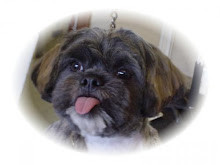

My Dog is itching all the time………
-
My Dog is itching all the time Why?
Well this month with damp and warm weather still with us, and the autumn
leaves falling, the rain and wind lashing all ...
15 years ago